Metas · Visões · Ações / IPCI Journal · 2025
IPCI will continue its international efforts to promote understanding and compliance with applicable laws through outreach and education of members and others.
The IPCI is closely associated with the planting of Pau-Brasil trees. The destruction of the Mata Atlântica and the decline of the Pau-Brasil population began more than 500 years ago. In 1999, the IPCI decided to try to contribute to the solution by setting a goal of planting 500,000 Pau-Brasil trees. After 25 years, we have made significant progress towards this goal. IPCI remains strongly committed to working in close cooperation with our Brazilian partners to increase investments in conservation projects that will restore the species and establish plantations for the eventual sustainable use of Pau-Brasil.
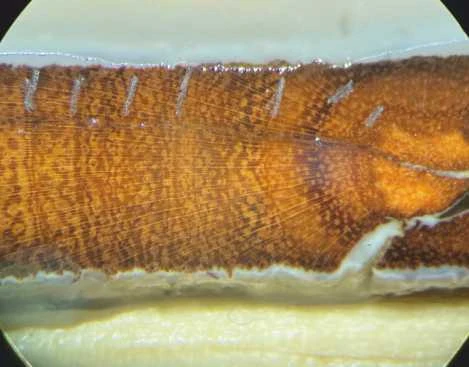
IPCI believes that science is crucial not only to regrowth efforts but also to legal compliance and halting deforestation. We will support efforts to develop a national inventory and will continue to invest in genetic analysis and other basic science as a foundation for the establishment of traceability and other enforcement strategies.
IPCI believes that conserving Pau-Brasil would be aided by a verifiable and enforceable legal framework for sustainable use of plantation-grown wood. Therefore, its selection, quality and properties must be better understood.
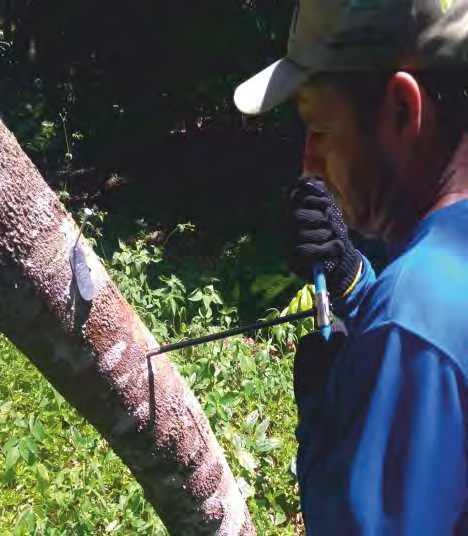
IPCI is supporting investigations into wood quality and growing conditions, using advanced wood sampling and genetic analysis techniques that enable comparisons between native and planted trees and that will support better traceability of the wood's origin and characteristics. This knowledge can be guided by an understanding of the lessons of our 200-year tradition of artisanal bow making.
In this way, IPCI believes science has the potential to play a crucial role in guiding the development of legal Pau-Brasil timber plantations while ensuring the protection of native tree species, minimising wood demand, and promoting sustainability.
Source: IPCI Journal, first edition, 2025. Copy-edited web version; the content reflects the original publication date.
Original PDF · English