Metas · Visões · Ações
25 years of IPCI – A future for pernambuco and music
Pernambuco connects Brazil’s Atlantic Forest with concert halls around the world.
For more than 200 years, its wood has been used to make fine bows for string instruments. Yet pau-brasil, Brazil’s national tree, is threatened by the loss of its natural habitat. Protecting it while securing the future of a long-established craft is the purpose of the International Pernambuco Conservation Initiative.
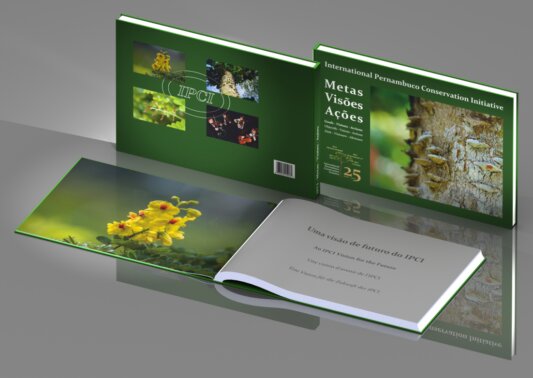
The anniversary book “Metas – Visões – Ações / Goals – Visions – Actions” tells the story of this commitment. It documents 25 years of international cooperation, from an initiative founded by dedicated bow makers to a wide range of planting, research and education projects with Brazilian partners.
Four languages in one volume: Portuguese, English, French and German.
Working together in Brazil
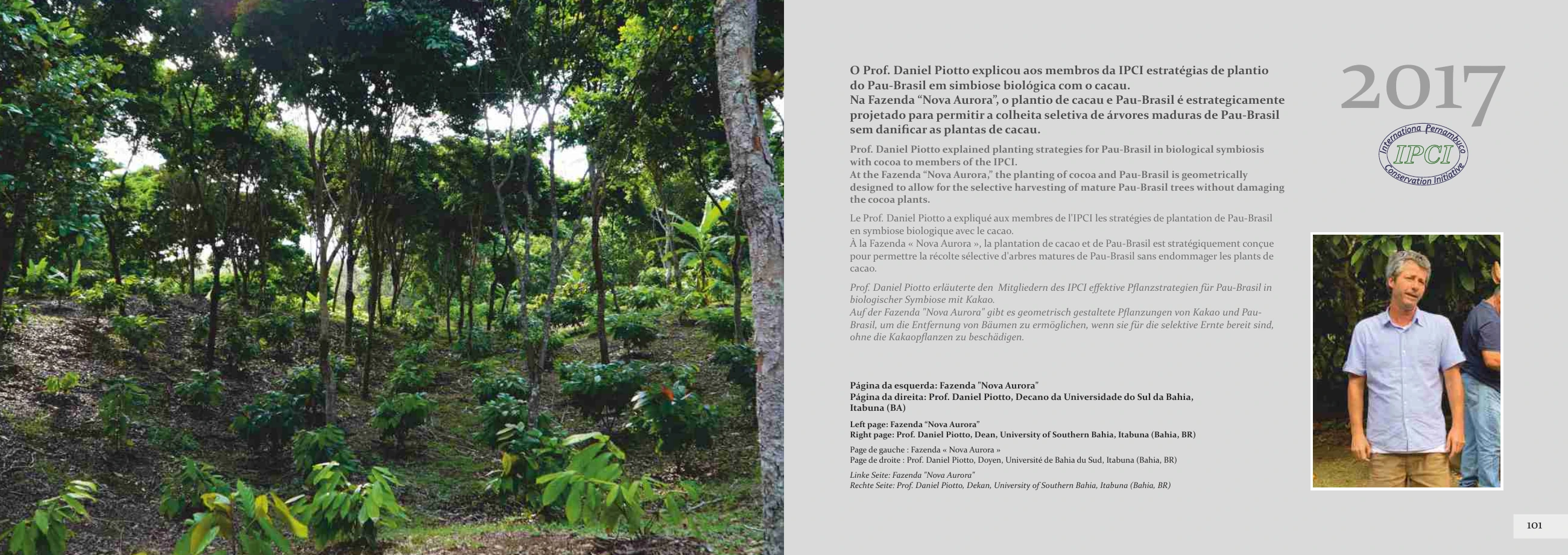
At its heart is cooperation with local scientists, environmental organisations, public authorities and farmers. Together, they have raised seedlings, established plantations and gained insights into growth, genetic diversity and wood quality. The “Programa Pau-Brasil” combined scientific research with practical support for rural communities. This work also includes plantations where pernambuco grows alongside cacao.
What 25 years can achieve
For the period from 2001 to 2024, the book documents up to 340,800 seedlings planted and 18 completed scientific projects. The plantings serve conservation and public education as well as preparing for future sustainable use. Long-term care of the trees and scientific monitoring are essential to this work.
The responsibility of the music world
The responsibility of the music world is another thread running through the book. Through maintenance and restoration, bow makers preserve historic bows for future generations. Music projects, benefit concerts and education draw attention to the connection between nature, craftsmanship and culture.
A vision that keeps growing
IPCI’s vision extends beyond the anniversary: protecting wild populations, planting more trees and creating the conditions for the legal, traceable and sustainable use of plantation-grown wood. The long-term planting target of 500,000 pernambuco trees reflects this continuing commitment.
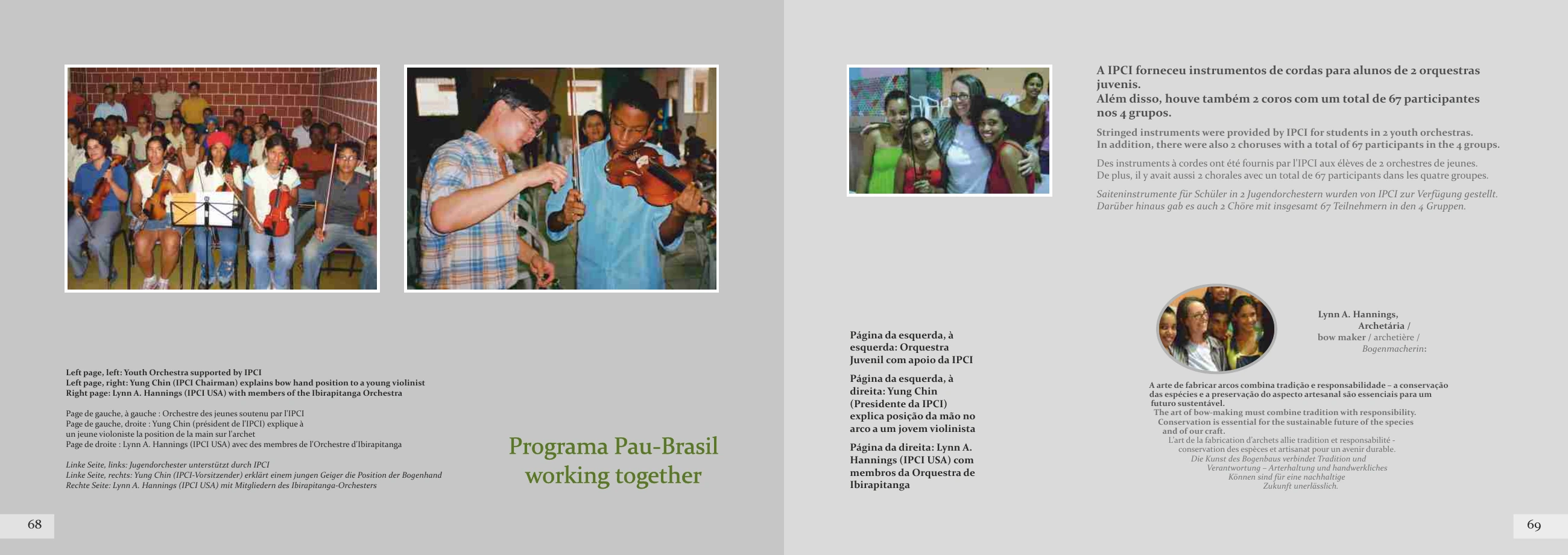
Through striking photographs, personal recollections and contributions from science, craftsmanship and music, the book shows what shared responsibility can achieve — and invites readers to help shape the future of the pernambuco tree.